Northeast Signal inc

Our Partners

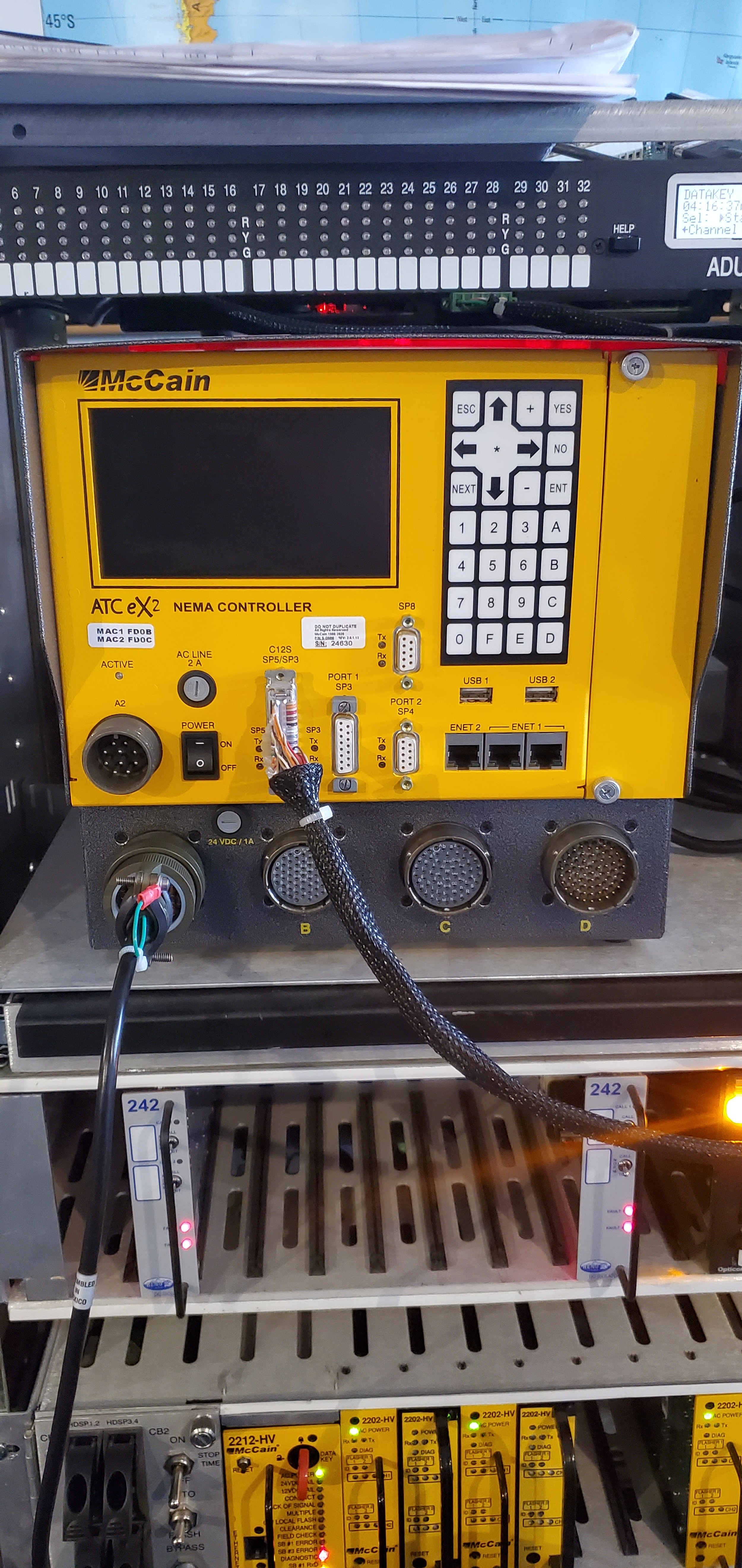
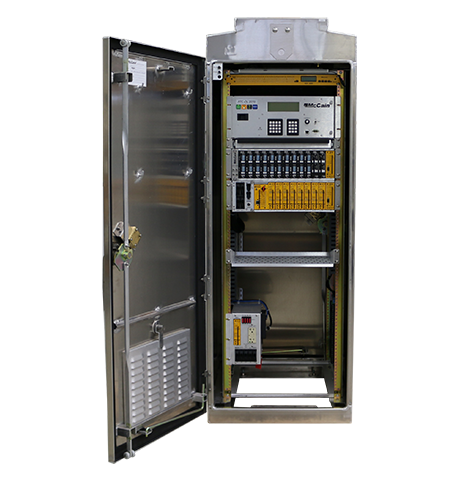
one of the nations major manufactures providing a full line of traffic signal cabinets, controllers, and signal equipment.

the swiss army knife of video detection. cloud-based, program and manage your signals remotely adding produtivity to your traffic plans.

Leading the industry in emergency and transit vehicles preemption. NES and GTT have had a strong relationship that dates back to the infrared only days.

EDI and its sister company RENO a&e supply all cabinet plugins needed.
FOR YOUR NEMA NEEDS.LS-200 LOAD SWITCHES, FL-200 FLASHERS, TR-200 FLASH TRANSFER RELAYS, 6 & 12 CHANNEL MONITORS. ALL OF YOUR ATC TRAFFIC NEEDS AS WELL.
NES and Pelco have a 25 year plus relationship.
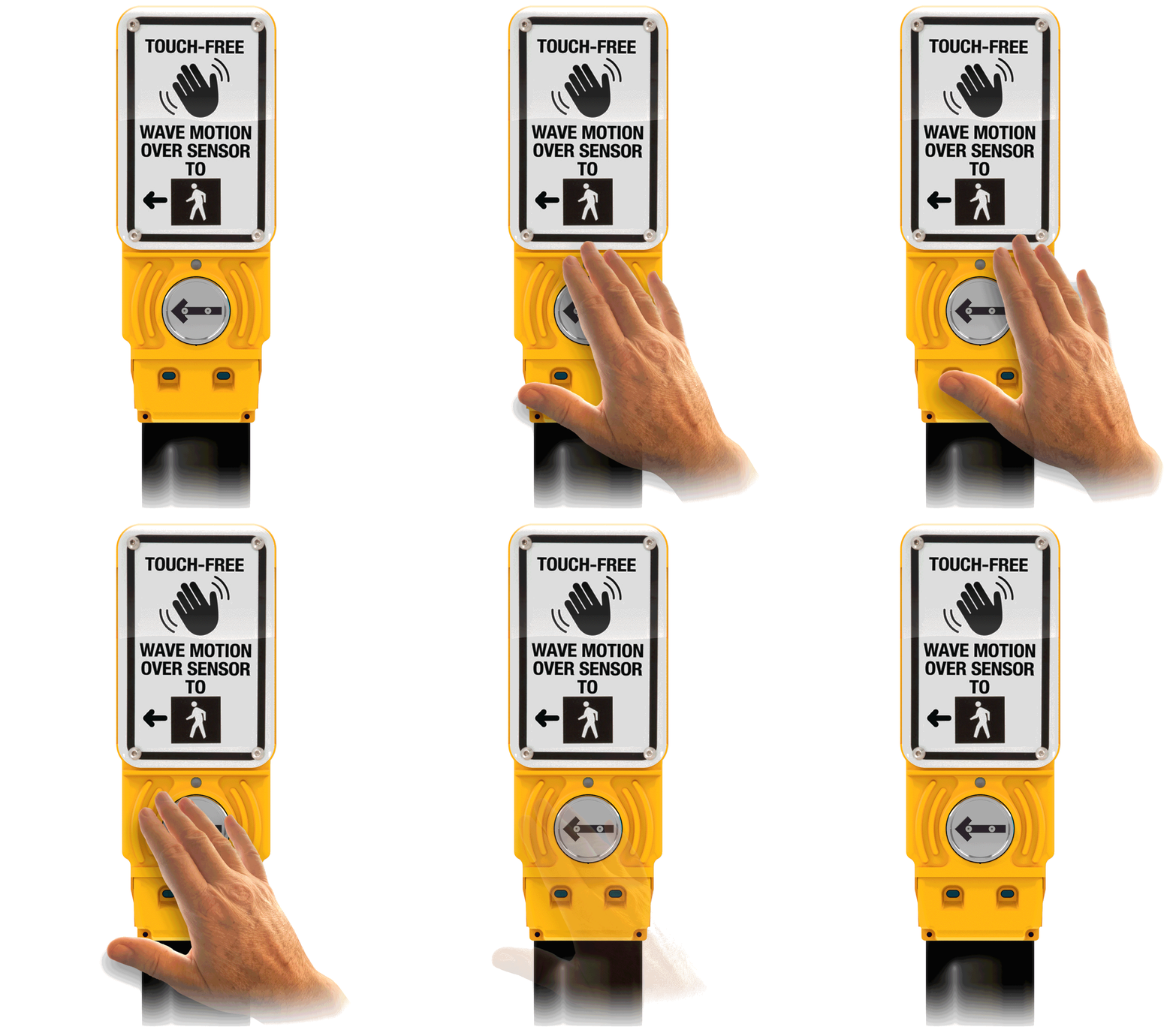
Pelco provides all traffic bracketry, Ped pole’s, the state approved aps intellicross pushbutton and piezo pushbutton solutions
dialight is NES’S major supplier for traffic LED’S. 12’’ 8’’ signal leds, 12’’ & 16’’x 18’’ ped head LED’S. STOCKED UP!
Northeast Signal, Inc. mission
-
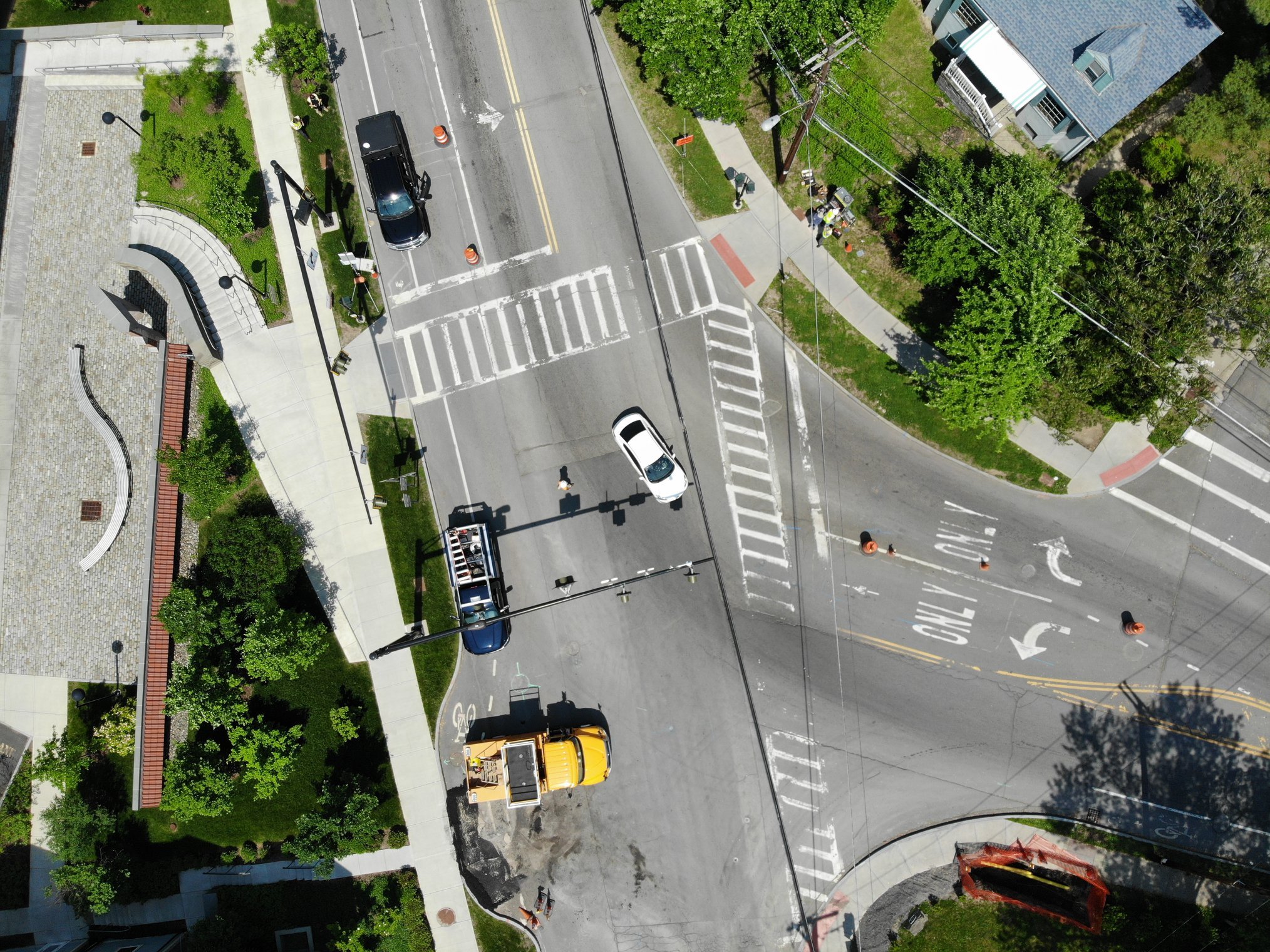
Northeast Signal, Inc. mission is to provide the best products in the Traffic Industry combined with unbelievable customer service and knowledge of the industry and the products we sell.
Founded in 1990, Northeast Signal grew in a few short years to become the leader in traffic products in New York State. What started out as an answer for a one stop traffic shop has continued on to become the premier distributor for some of the biggest names in the business such as Miovision Technologies, Global Traffic Technologies, McCain Traffic and Pelco Inc. These are only a few of our partners that we take pride in to sell and support .Northeast Signal strives to continuously bring the latest and greatest state of the art equipment to keep your traffic not only moving to the utmost efficiency, but as safely as possible as well. With our highly trained and dedicated team, we can help you attain any goal you set forth for your traffic infrastructure. We can assist you and your municipality on any project big or small, whether it is help from the start with specifications and engineering to completion with integration and programming. Please feel free to call or email anyone on the team for any questions or concerns you might have. Thank you for choosing Northeast Signal!





AMHERST NY
